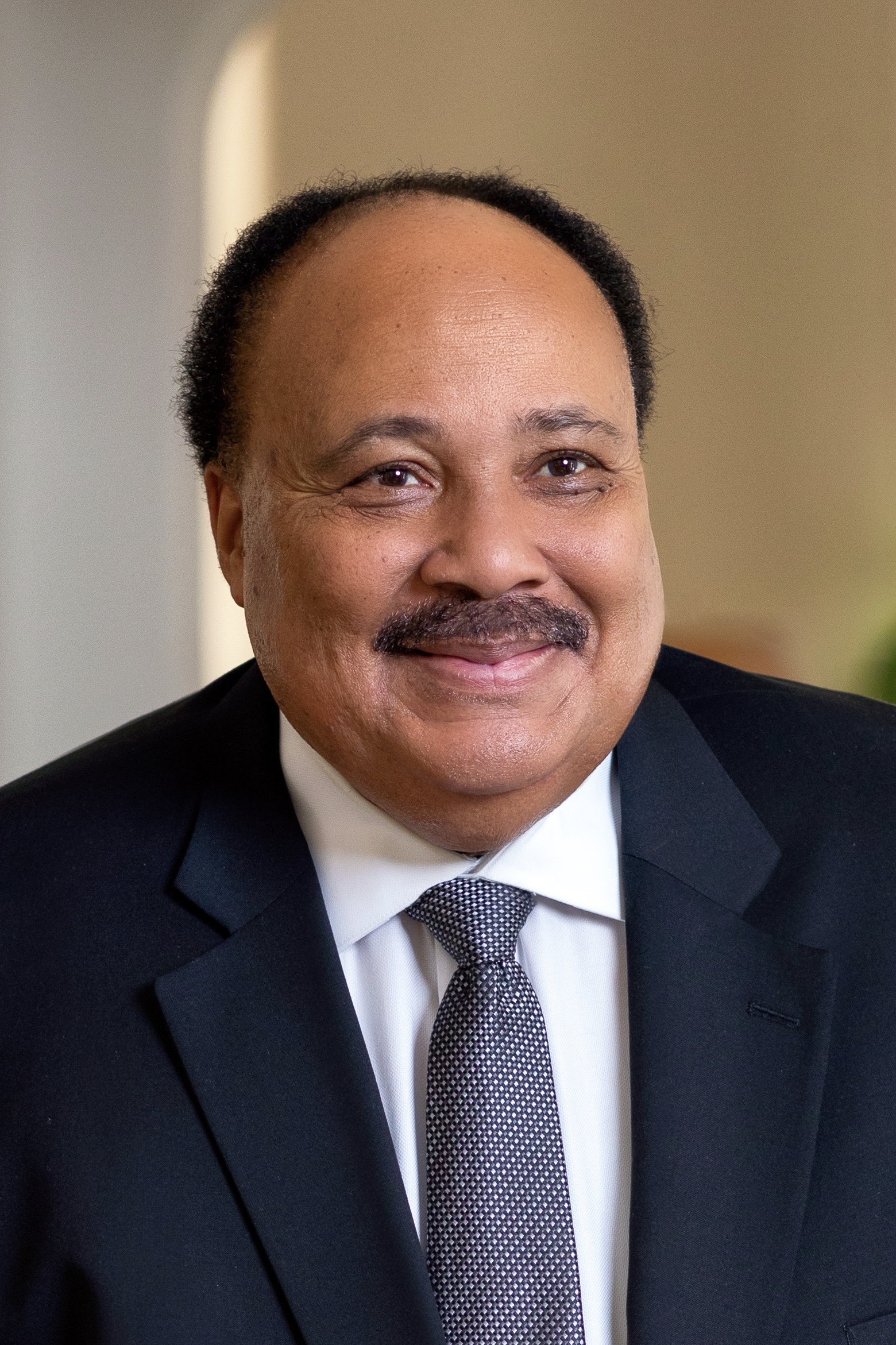
Unveiling The Legacy And Influence Of Martin Luther King III: A Journey Through History
Martin Luther King III is a name that resonates with profound significance in the realms of civil rights activism and social justice. As the eldest son of the iconic civil rights leader Dr. Martin Luther King Jr., King III has dedicated his life to continuing the legacy of his father. His journey is marked by a commitment to nonviolent activism, human rights advocacy, and efforts to eradicate poverty and inequality. Martin Luther King III's influence extends beyond his family heritage, as he has been a formidable force in championing causes that promote equality and justice for all.
Born into a family deeply rooted in the struggle for civil rights, Martin Luther King III has navigated the complexities of carrying forward his father's legacy while carving out his distinct path. His life's work reflects a steadfast dedication to the principles of nonviolence and equity, mirroring the beliefs that underscored his father's leadership. Over the years, King III has emerged as a prominent voice in contemporary social justice movements, engaging with communities and leaders worldwide to address pressing issues of racial and economic inequality.
Martin Luther King III's impact is not confined to the United States but resonates on a global scale. His efforts in advocating for human rights, educational opportunities, and the fight against poverty have earned him recognition and respect across the globe. As an inspirational figure, he continues to motivate individuals and organizations to strive for a more equitable society. Through his speeches, writings, and leadership, Martin Luther King III perpetuates the dream of a world where justice and equality prevail for all people, regardless of their race or background.
Table of Contents
- Biography of Martin Luther King III
- Early Life and Family Background
- Educational Journey
- Career and Activism
- Leadership in Civil Rights
- Global Impact and Recognition
- Family Life and Personal Details
- Philosophy and Principles
- Notable Speeches and Writings
- Organizations and Foundations
- Challenges and Controversies
- Future Vision and Projects
- Frequently Asked Questions
- Conclusion
Biography of Martin Luther King III
Martin Luther King III was born on October 23, 1957, in Montgomery, Alabama. As the eldest son of Dr. Martin Luther King Jr. and Coretta Scott King, he grew up in a household where the values of equality, justice, and nonviolence were central themes. His upbringing was steeped in the civil rights movement, providing him with firsthand exposure to the struggles and triumphs of the fight for racial equality. Despite the immense legacy of his father, King III has forged his path, dedicating his life to continuing the work of advocating for social justice and equality.
From a young age, Martin Luther King III was aware of the powerful legacy left by his father, a legacy that he embraced with a sense of duty and responsibility. His life's work has been a testament to his commitment to advancing human rights and addressing the issues of poverty and inequality. Over the years, King III has been involved in various initiatives aimed at promoting peace and equality, earning him respect and admiration both nationally and internationally.
| Full Name | Martin Luther King III |
|---|---|
| Date of Birth | October 23, 1957 |
| Place of Birth | Montgomery, Alabama, USA |
| Parents | Dr. Martin Luther King Jr. and Coretta Scott King |
| Occupation | Civil Rights Activist, Human Rights Advocate |
| Notable Roles | President of the Southern Christian Leadership Conference, CEO of Realizing the Dream, Inc. |
| Spouse | Arndrea Waters King |
| Children | Yolanda Renee King |
Early Life and Family Background
Martin Luther King III's early life was marked by the influence of his parents, who were both deeply committed to the civil rights movement. Growing up in a family that played a pivotal role in the fight against racial discrimination, King III was exposed to the challenges and victories of the movement from a young age. His father, Dr. Martin Luther King Jr., was a prominent leader whose vision of a just and equal society inspired millions, while his mother, Coretta Scott King, was a dedicated activist who worked tirelessly alongside her husband to advance civil rights.
The environment in which Martin Luther King III was raised instilled in him a strong sense of social justice and a commitment to nonviolent activism. His parents' dedication to equality and justice left a lasting impression on him, shaping his values and guiding his future endeavors. Despite the tragic assassination of his father in 1968, King III's resolve to continue his father's legacy remained unwavering. His early experiences laid the foundation for his lifelong commitment to advocating for human rights and addressing social injustices.
Educational Journey
Martin Luther King III's educational journey was shaped by his family's emphasis on education as a tool for empowerment and social change. He attended The Galloway School, an independent school in Atlanta, Georgia, where he was encouraged to pursue academic excellence and develop his leadership skills. His education continued at Morehouse College, a historically black college and university (HBCU) in Atlanta, where he graduated with a Bachelor of Arts degree in Political Science in 1979.
Morehouse College, known for its commitment to producing leaders who are dedicated to service and social justice, was a fitting environment for King III. It was here that he honed his understanding of social issues and developed a deeper appreciation for the principles of nonviolence and equality that his father championed. His time at Morehouse College reinforced his commitment to social justice and provided him with the tools and knowledge necessary to continue his father's legacy.
Career and Activism
Martin Luther King III's career has been marked by a deep commitment to civil rights activism and social justice. Following in his father's footsteps, he has been actively involved in advocating for equality and human rights throughout his life. In 1997, he was elected as the president of the Southern Christian Leadership Conference (SCLC), an organization founded by his father in 1957 to advance the cause of civil rights through nonviolent activism.
During his tenure as president of the SCLC, Martin Luther King III worked to address issues such as poverty, racism, and economic inequality. He led efforts to increase voter registration and participation among African Americans and advocated for policies that promote social and economic justice. King III's leadership at the SCLC was instrumental in revitalizing the organization and expanding its reach to address contemporary social issues.
In addition to his work with the SCLC, Martin Luther King III has been involved in various initiatives aimed at promoting peace and equality. He founded Realizing the Dream, Inc., an organization dedicated to eradicating poverty and promoting nonviolent conflict resolution. Through his work with Realizing the Dream, Inc., King III has collaborated with leaders and communities worldwide to address issues of social and economic inequality.
Leadership in Civil Rights
Martin Luther King III's leadership in the civil rights movement has been characterized by a steadfast commitment to nonviolent activism and social justice. His work has focused on addressing issues such as poverty, racial discrimination, and economic inequality, both in the United States and globally. As a leader, King III has emphasized the importance of collaboration and partnership in advancing the cause of civil rights, working with a diverse range of organizations and individuals to promote equality and justice.
One of King III's key contributions to the civil rights movement has been his efforts to engage young people in activism and advocacy. Recognizing the importance of empowering the next generation of leaders, he has worked to create opportunities for youth to become involved in social justice initiatives. Through programs and initiatives aimed at fostering leadership skills and civic engagement, Martin Luther King III has inspired countless young people to take an active role in shaping a more equitable society.
Global Impact and Recognition
Martin Luther King III's impact extends beyond the borders of the United States, as his advocacy for human rights and social justice has garnered international recognition. His efforts to address issues of poverty, inequality, and discrimination have resonated with communities and leaders worldwide. King III's work in promoting nonviolent activism and conflict resolution has made him a respected figure in global human rights circles.
Throughout his career, Martin Luther King III has received numerous awards and honors for his contributions to civil rights and social justice. His recognition includes awards from organizations and governments worldwide, acknowledging his efforts to advance the cause of equality and human rights. King III's global impact is a testament to his unwavering commitment to creating a just and equitable world for all people.
Family Life and Personal Details
Family life has always been an integral part of Martin Luther King III's identity. He is married to Arndrea Waters King, and together they have a daughter, Yolanda Renee King, named after her late aunt, Yolanda King. The family continues to uphold the values and principles that have defined the King legacy, emphasizing the importance of education, service, and social justice.
Martin Luther King III's personal life reflects his commitment to the values of equality and justice that were central to his upbringing. Despite the challenges and responsibilities that come with carrying the King name, he has remained dedicated to his family and to continuing the work of advocating for civil rights and social justice. His personal experiences and family background have been instrumental in shaping his worldview and guiding his efforts to create positive change in society.
Philosophy and Principles
Martin Luther King III's philosophy and principles are deeply rooted in the teachings of his father, Dr. Martin Luther King Jr. Central to his beliefs is the commitment to nonviolent activism as a means of achieving social change. King III firmly believes in the power of nonviolence to address issues of inequality and injustice, and he has consistently advocated for peaceful solutions to conflicts and social challenges.
In addition to his commitment to nonviolence, Martin Luther King III emphasizes the importance of collaboration and inclusivity in advancing social justice. He believes that meaningful change can only be achieved through collective efforts and the involvement of diverse voices and perspectives. His philosophy is grounded in the belief that all individuals have the right to equality and justice, and he has dedicated his life to advocating for these principles on both a national and global scale.
Notable Speeches and Writings
Martin Luther King III has delivered numerous speeches and written extensively on issues of civil rights, social justice, and nonviolence. His speeches often draw on the teachings of his father and emphasize the importance of continuing the fight for equality and justice. Through his words, King III has inspired audiences worldwide to take action and become involved in the struggle for social justice.
Some of Martin Luther King III's most notable speeches have addressed issues such as poverty, racial discrimination, and the need for unity in the face of social challenges. His writings often reflect his deep commitment to nonviolent activism and his belief in the power of individuals and communities to create positive change. Through his speeches and writings, King III continues to carry forward the legacy of his father and inspire others to work towards a more just and equitable world.
Organizations and Foundations
Throughout his career, Martin Luther King III has been involved in various organizations and foundations dedicated to advancing the cause of civil rights and social justice. In addition to his leadership roles at the Southern Christian Leadership Conference and Realizing the Dream, Inc., King III has collaborated with numerous organizations to address issues of poverty, inequality, and discrimination.
His work with these organizations has focused on promoting nonviolent activism, empowering youth, and creating opportunities for marginalized communities. Through partnerships and collaborations, Martin Luther King III has been able to expand the reach of his advocacy efforts and engage with a diverse range of stakeholders to advance the cause of equality and justice.
Challenges and Controversies
Despite his many accomplishments, Martin Luther King III has faced challenges and controversies throughout his career. As a prominent figure in the civil rights movement, he has navigated the complexities of carrying forward his father's legacy while addressing contemporary social issues. This has sometimes led to criticism and scrutiny from various quarters.
One of the challenges Martin Luther King III has faced is the expectation to live up to the legacy of his father, Dr. Martin Luther King Jr. While he has embraced this responsibility, it has also placed pressure on him to balance his work with personal and family commitments. Additionally, King III has encountered controversies related to his leadership roles and decisions within the organizations he has been involved with.
Despite these challenges, Martin Luther King III has remained steadfast in his commitment to advocating for social justice and equality. His resilience and dedication to the principles of nonviolence and human rights have enabled him to navigate these challenges and continue his work as a leading figure in the civil rights movement.
Future Vision and Projects
Looking to the future, Martin Luther King III envisions a world where justice and equality prevail for all individuals, regardless of their race or background. His vision is grounded in the belief that meaningful change can be achieved through collective efforts and the involvement of diverse voices and perspectives. King III is committed to continuing his work in advocating for human rights, addressing issues of poverty and inequality, and promoting nonviolent activism.
One of Martin Luther King III's key goals for the future is to engage and empower the next generation of leaders to take an active role in shaping a more equitable society. He is focused on creating opportunities for young people to become involved in social justice initiatives and fostering their leadership skills and civic engagement. Through education, advocacy, and collaboration, King III aims to inspire individuals and organizations to work towards a more just and equitable world.
Frequently Asked Questions
What is Martin Luther King III known for?
Martin Luther King III is known for his work as a civil rights activist and human rights advocate. He has dedicated his life to continuing the legacy of his father, Dr. Martin Luther King Jr., by promoting nonviolent activism, social justice, and equality.
How is Martin Luther King III related to Dr. Martin Luther King Jr.?
Martin Luther King III is the eldest son of Dr. Martin Luther King Jr. and Coretta Scott King. He was born into a family deeply committed to the civil rights movement and has continued his father's legacy in advocating for social justice and equality.
What organizations has Martin Luther King III been involved with?
Martin Luther King III has been involved with several organizations dedicated to civil rights and social justice, including the Southern Christian Leadership Conference (SCLC) and Realizing the Dream, Inc. He has also collaborated with numerous other organizations to address issues of poverty, inequality, and discrimination.
What are some of Martin Luther King III's notable achievements?
Martin Luther King III's notable achievements include his leadership roles in civil rights organizations, his advocacy for human rights and social justice, and his efforts to engage and empower young people to become involved in activism and advocacy.
How has Martin Luther King III contributed to global human rights efforts?
Martin Luther King III has contributed to global human rights efforts by advocating for nonviolent activism and conflict resolution, addressing issues of poverty and inequality, and collaborating with leaders and communities worldwide to promote equality and justice.
What is Martin Luther King III's vision for the future?
Martin Luther King III's vision for the future is a world where justice and equality prevail for all individuals. He is committed to continuing his work in advocating for human rights, addressing issues of poverty and inequality, and promoting nonviolent activism.
Conclusion
Martin Luther King III has dedicated his life to continuing the legacy of his father, Dr. Martin Luther King Jr., by advocating for civil rights, social justice, and equality. His commitment to nonviolent activism and human rights has made him a respected figure in the global fight for justice. Through his leadership, speeches, and writings, King III has inspired countless individuals to become involved in the struggle for a more equitable society.
As Martin Luther King III continues his work, he remains focused on engaging and empowering the next generation of leaders to take an active role in shaping a just and equitable world. His vision for the future is one of collaboration, inclusivity, and shared responsibility in creating positive change. Martin Luther King III's impact on the civil rights movement and his contributions to global human rights efforts serve as a testament to his unwavering dedication to the principles of equality and justice.
For further information on Martin Luther King III's work and contributions, you can visit the King Center's website at The King Center.