Unlocking The British Slang For A 'Broken Leg': A Comprehensive Guide
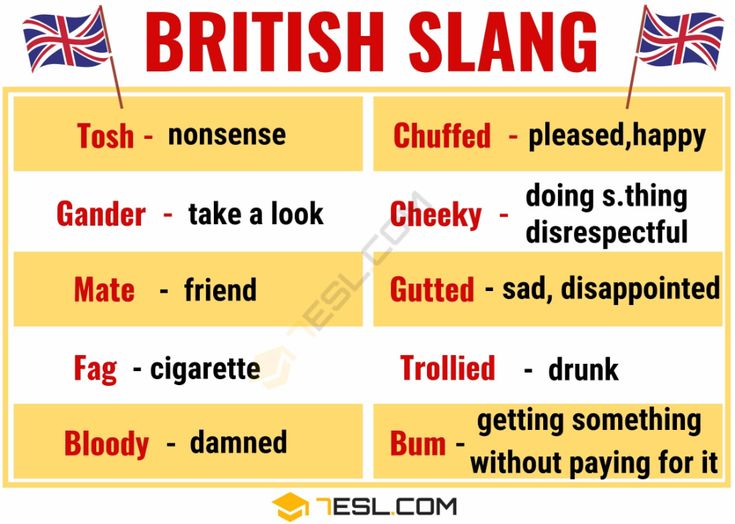
When encountering British slang, one might find themselves puzzled by the colorful and often humorous terms used by locals. To say 'broken leg' in British slang, one must delve into the rich tapestry of colloquial language that defines the United Kingdom's unique cultural identity. Whether you're a traveler, a language enthusiast, or someone just curious about linguistic nuances, understanding British slang can be both fascinating and practical. While British slang varies widely across different regions, certain terms have found their way into the mainstream, particularly in London and the surrounding areas. British slang is not only a reflection of the country's vibrant history but also a living, evolving language that continues to adapt to modern influences. As such, learning these terms can provide a deeper appreciation for British culture and enhance your communication skills.
This article will guide you through the journey of understanding how to say 'broken leg' in British slang. We will explore the origins of British slang, its evolution, and provide you with a detailed breakdown of common terms and phrases used to describe a broken leg. Additionally, we will look at the cultural significance of slang and how it is used in various contexts. Whether you're planning a trip to the UK or simply want to expand your linguistic repertoire, this guide will equip you with the knowledge to navigate the world of British slang with confidence and ease.
By the end of this article, you will have a comprehensive understanding of not just how to say 'broken leg' in British slang, but also how to appreciate the creativity and humor embedded in the language. Furthermore, you will gain insights into the social and historical influences that have shaped British slang over the years. So, let's embark on this linguistic adventure and discover the charm and wit of British colloquialisms!
Table of Contents
- History of British Slang
- Cultural Significance of Slang
- Understanding 'Broken Leg' in Slang
- Regional Differences in Slang
- Common Slang Terms for Injuries
- Examples of British Slang in Literature and Media
- How Slang Evolves Over Time
- Tips for Using British Slang
- Impact of Modern Culture on British Slang
- The Role of Social Media
- British Slang and Pop Culture
- Slang in Different Age Groups
- Challenges of Translating Slang
- Frequently Asked Questions
- Conclusion
History of British Slang
British slang has a rich and storied history that dates back centuries. It has evolved from the streets of London to become an integral part of the English language. The origins of British slang can be traced to a variety of sources, including Cockney rhyming slang, regional dialects, and the influence of other languages and cultures. Over time, it has become a way for people to express themselves creatively and to forge social bonds within their communities.
One of the earliest forms of British slang is Cockney rhyming slang, which originated in the East End of London in the mid-19th century. This form of slang involves replacing a word with a phrase that rhymes with it, often omitting the rhyming part, making it a playful and sometimes cryptic way of speaking. For example, 'apples and pears' means 'stairs,' and 'trouble and strife' means 'wife.'
Throughout history, British slang has been influenced by various factors, including immigration, trade, and cultural exchanges. Words and phrases from other languages, such as French, Italian, and Yiddish, have been incorporated into British slang, adding to its diversity and richness. As a result, British slang is not only a reflection of the country's linguistic heritage but also a testament to its openness and adaptability.
In the 20th century, British slang continued to evolve, with new words and phrases emerging from different subcultures and social movements. The rise of youth culture, music, and media played a significant role in shaping modern British slang. As technology and globalization continue to influence language, British slang remains a dynamic and ever-changing aspect of the English language.
Cultural Significance of Slang
Slang is more than just a collection of informal words and phrases; it is a powerful tool for cultural expression and identity. In the UK, slang serves as a means of connecting people, conveying humor, and challenging social norms. It reflects the values, attitudes, and experiences of different communities and age groups, making it an essential part of British culture.
One of the key functions of slang is to create a sense of belonging among its users. By using specific slang terms, individuals can signal their membership in a particular social group or subculture. This sense of belonging is particularly important among young people, who often use slang to assert their identity and differentiate themselves from older generations.
Slang also plays a crucial role in humor and creativity. Many British slang terms are characterized by their wit, wordplay, and double meanings. This playful use of language allows speakers to express themselves in a more engaging and entertaining way. For example, the term 'knackered,' meaning extremely tired, is both humorous and descriptive, capturing the exhaustion of the speaker.
Moreover, slang can serve as a form of resistance to authority and social norms. Throughout history, marginalized groups have used slang to challenge dominant cultural narratives and assert their own identities. In this way, slang becomes a powerful tool for social change and empowerment.
Understanding 'Broken Leg' in Slang
When it comes to describing a 'broken leg' in British slang, there are several colorful expressions that capture the essence of the injury. While these terms can vary depending on the region and the speaker's background, they all share a common goal: to convey the severity and inconvenience of a broken leg in a lighthearted and humorous manner.
One popular slang term for a broken leg is 'gammy leg.' The word 'gammy' is often used to describe something that is injured, painful, or not functioning correctly. In this context, a 'gammy leg' refers to a leg that is broken or injured in some way. This term is commonly used in informal conversations and is understood by most native English speakers in the UK.
Another expression that might be used to describe a broken leg is 'busted peg.' The term 'peg' is a colloquial word for leg, and when something is 'busted,' it is broken or damaged. Thus, 'busted peg' is a straightforward yet informal way of referring to a broken leg.
For those looking for a more humorous take on a broken leg, the phrase 'snapped twig' can be used. This expression paints a vivid picture of a leg that has been broken, comparing it to a twig that has snapped under pressure. While not as commonly used as other terms, 'snapped twig' captures the imagination and adds a touch of humor to the situation.
Understanding these slang terms is not only useful for communication but also provides insight into the creativity and humor that characterize British slang. By familiarizing yourself with these expressions, you can navigate conversations with ease and appreciate the nuance and wit of the language.
Regional Differences in Slang
British slang is not a monolithic entity; it varies widely across different regions of the UK. Each region has its own unique set of slang terms and expressions, reflecting the diverse cultural and linguistic heritage of the country. Understanding these regional differences is essential for anyone looking to master British slang and communicate effectively with locals.
In London, for instance, Cockney rhyming slang remains a significant influence on the local vernacular. This form of slang often involves clever wordplay and rhyming patterns, making it both entertaining and challenging for newcomers. While some Cockney rhyming slang terms have become widely recognized, others remain closely guarded secrets of the East End community.
In contrast, the North of England has its own distinctive slang, characterized by a mix of regional dialects and historical influences. Terms like 'bairn' for child and 'ginnel' for alleyway reflect the linguistic diversity of the area. Additionally, the use of words like 'chuffed' to mean pleased or happy highlights the warmth and humor that define Northern slang.
Scotland, too, boasts a rich tradition of slang, with many terms rooted in Scots language and culture. Words like 'wee' for small and 'braw' for excellent are commonly used across the country. Scottish slang often incorporates elements of Scottish Gaelic and Old Norse, adding to its linguistic complexity and charm.
Meanwhile, Welsh slang draws heavily from the Welsh language, with terms like 'cwtch' meaning a hug or cuddle and 'tidy' meaning good or satisfactory. These expressions reflect the unique cultural identity of Wales and its enduring connection to the Welsh language.
In Northern Ireland, slang is influenced by both Irish and Ulster Scots, creating a vibrant linguistic tapestry. Phrases like 'wee buns' to mean something easy and 'craic' for fun or entertainment are commonly used in everyday conversation.
Common Slang Terms for Injuries
In addition to the specific terms for a broken leg, British slang includes a variety of expressions for injuries in general. These terms are often used in informal settings and can add a touch of humor to discussions about accidents and mishaps.
One such term is 'knocked up,' which, in the context of injuries, means to be bruised or battered. This expression is often used to describe someone who has taken a tumble or been involved in a minor accident. While 'knocked up' can also have other meanings, such as being pregnant, the context usually makes the intended meaning clear.
Another common phrase is 'done in,' which refers to being exhausted or worn out, often as a result of an injury or strenuous activity. This term is frequently used to describe someone who has pushed themselves to their physical limits and is now feeling the effects.
The term 'battered' is also widely used in British slang to describe someone who has suffered an injury. It conveys the idea of being beaten or damaged, often in a humorous or exaggerated way. For example, someone who has fallen and scraped their knee might say they are 'battered' to emphasize the severity of their injury.
'Mangled' is another slang term that can be used to describe a particularly severe injury. This word suggests that something has been twisted or crushed, leaving it in a damaged state. While 'mangled' can be used to describe inanimate objects, it is also applicable to injuries, adding a vivid and dramatic touch to the description.
Lastly, the phrase 'in a bad way' is a more general expression that can be used to describe someone who is injured or unwell. It suggests that the person is not in good condition and may need medical attention or rest to recover.
Examples of British Slang in Literature and Media
British slang has long been a source of inspiration for writers, filmmakers, and musicians, who use it to add authenticity and depth to their work. From classic literature to contemporary media, slang has played a crucial role in shaping the way characters speak and interact with one another.
One of the most famous examples of British slang in literature is in the works of Charles Dickens. In novels such as "Oliver Twist" and "Great Expectations," Dickens used slang to capture the voices of his characters and convey the social realities of Victorian England. His use of slang added a layer of realism to his stories, making them more relatable and engaging for readers.
In modern literature, authors like Irvine Welsh and Zadie Smith have continued the tradition of incorporating slang into their writing. Welsh's novel "Trainspotting" is renowned for its use of Scottish slang, which adds authenticity and depth to the portrayal of Edinburgh's subcultures. Similarly, Smith's "White Teeth" features a rich tapestry of London slang, reflecting the city's multicultural identity and vibrant street life.
In film and television, British slang is often used to create authentic dialogue and build character. The popular TV series "The Inbetweeners" is known for its use of slang, capturing the humor and awkwardness of teenage life in the UK. Similarly, classic British films like "Lock, Stock and Two Smoking Barrels" and "Snatch" are filled with slang, adding to their gritty and realistic portrayal of London's criminal underworld.
Music, too, has been a powerful vehicle for British slang. Artists like The Beatles, The Rolling Stones, and The Clash have all used slang in their lyrics to capture the rebellious spirit of their times. More recently, grime artists like Skepta and Stormzy have brought contemporary slang to the forefront of the music scene, reflecting the voices and experiences of urban youth.
How Slang Evolves Over Time
Language is a living entity, constantly evolving to reflect the changing world around us. Slang, in particular, is one of the most dynamic aspects of language, continually adapting to new cultural and social influences. Understanding how slang evolves over time can provide valuable insights into the broader linguistic landscape.
One of the key drivers of slang evolution is the influence of youth culture. Young people have always been at the forefront of linguistic innovation, creating new words and phrases to express their identities and experiences. As these terms gain popularity, they often spread to wider audiences, becoming part of the mainstream vocabulary.
Technology and social media have also played a significant role in the evolution of slang. Platforms like Twitter, Instagram, and TikTok have accelerated the spread of new slang terms, allowing them to reach global audiences in a matter of days. This rapid dissemination of language has led to the emergence of new slang trends and the blending of different linguistic influences.
Globalization has further contributed to the evolution of slang, as people from different cultures and linguistic backgrounds come into contact with one another. This cross-cultural exchange has led to the incorporation of foreign words and phrases into British slang, enriching it and making it more diverse.
Despite its ever-changing nature, some slang terms have stood the test of time, becoming enduring fixtures of the language. Words like 'cool,' 'chill,' and 'mate' have been used for decades and continue to be relevant in contemporary conversations. These terms have remained popular because they capture fundamental aspects of human experience and social interaction.
Tips for Using British Slang
For those looking to incorporate British slang into their vocabulary, there are a few tips to keep in mind. First and foremost, it's important to understand the context in which a slang term is used. Slang can vary widely depending on the region, social group, and situation, so it's crucial to be aware of these nuances.
Listening and observing are key to mastering slang. Pay attention to how native speakers use slang in different contexts, and take note of the tone and body language that accompany it. This will help you develop a more intuitive understanding of when and how to use certain terms.
Practice makes perfect. The more you use slang in conversations, the more comfortable and confident you will become. Don't be afraid to make mistakes; language is all about experimentation and learning from experience.
It's also important to be mindful of the audience. Some slang terms may be considered offensive or inappropriate in certain contexts, so it's essential to use them with discretion. If in doubt, err on the side of caution and use more neutral language.
Finally, have fun with it! Slang is all about creativity and expression, so don't be afraid to experiment and play with language. The more you enjoy the process, the more natural and authentic your use of slang will become.
Impact of Modern Culture on British Slang
Modern culture has had a profound impact on the development and evolution of British slang. From music and film to fashion and technology, contemporary influences have shaped the way people speak and interact with one another.
The music scene, in particular, has been a significant driver of slang innovation. Genres like grime, hip-hop, and electronic music have introduced new terms and phrases into the vernacular, reflecting the experiences and identities of urban youth. Artists like Dizzee Rascal, Stormzy, and Skepta have used slang to convey the raw energy and authenticity of their music, resonating with audiences both in the UK and beyond.
Film and television have also played a role in popularizing slang. British shows like "The Office," "Peep Show," and "Fleabag" have showcased the humor and wit of contemporary slang, making it accessible to a global audience. These shows have contributed to the spread of British slang, introducing terms like 'bants' (banter) and 'fit' (attractive) to new audiences.
The fashion industry has similarly embraced slang, using it to create a sense of identity and exclusivity. Brands like Supreme, Palace, and Off-White have incorporated slang into their marketing and branding strategies, appealing to younger consumers who value authenticity and self-expression.
Technology and social media have further accelerated the spread of slang, allowing new terms to emerge and gain traction at an unprecedented pace. Platforms like Twitter and Instagram have become breeding grounds for linguistic innovation, with users coining new phrases and hashtags that quickly go viral.
Despite these modern influences, traditional aspects of British slang remain strong. Regional dialects, historical expressions, and cultural references continue to play a vital role in shaping the language, ensuring that it remains a rich and diverse tapestry.
The Role of Social Media
Social media has revolutionized the way we communicate, and its impact on slang is undeniable. Platforms like Twitter, Facebook, Instagram, and TikTok have become hubs for linguistic experimentation and innovation, allowing new slang terms to emerge and spread rapidly.
One of the key ways social media influences slang is through the creation of viral content. Memes, videos, and hashtags often introduce new phrases and expressions, which quickly gain traction and become part of the everyday vocabulary. This rapid dissemination of language has led to the emergence of new slang trends and the blending of different linguistic influences.
Social media also provides a platform for marginalized voices to be heard, allowing new slang terms to emerge from diverse communities. This has led to the incorporation of words and phrases from different cultures and languages into mainstream slang, enriching it and making it more inclusive.
In addition to spreading new slang, social media also plays a role in preserving traditional expressions. Online communities and forums dedicated to regional dialects and historical slang help keep these linguistic treasures alive, ensuring that they are passed down to future generations.
However, the rapid pace of change on social media means that slang terms can quickly fall out of favor or become outdated. What is considered trendy one day may be seen as passé the next. As a result, social media users must stay attuned to the ever-changing linguistic landscape and adapt their language accordingly.
Despite these challenges, social media remains a powerful tool for linguistic innovation and creativity. It allows people to experiment with language, connect with others, and express themselves in new and exciting ways.
British Slang and Pop Culture
Pop culture has long been a powerful force in shaping language, and British slang is no exception. From music and film to fashion and television, pop culture has introduced new terms and expressions into the vernacular, reflecting the changing tastes and attitudes of society.
Music, in particular, has been a significant driver of slang innovation. The rise of genres like punk, rock, and electronic music has introduced new slang terms and phrases, capturing the rebellious spirit and energy of the times. British bands like The Beatles, The Rolling Stones, and The Clash have all used slang in their lyrics, resonating with audiences both in the UK and beyond.
Film and television have similarly played a role in popularizing slang. British shows like "The Office," "Peep Show," and "Fleabag" have showcased the humor and wit of contemporary slang, making it accessible to a global audience. These shows have contributed to the spread of British slang, introducing terms like 'bants' (banter) and 'fit' (attractive) to new audiences.
The fashion industry has also embraced slang, using it to create a sense of identity and exclusivity. Brands like Supreme, Palace, and Off-White have incorporated slang into their marketing and branding strategies, appealing to younger consumers who value authenticity and self-expression.
Despite these modern influences, traditional aspects of British slang remain strong. Regional dialects, historical expressions, and cultural references continue to play a vital role in shaping the language, ensuring that it remains a rich and diverse tapestry.
Slang in Different Age Groups
Slang is often associated with youth culture, but it is used by people of all ages. Different age groups have their own unique slang terms and expressions, reflecting their distinct experiences and perspectives.
Younger generations are often at the forefront of linguistic innovation, creating new slang terms to express their identities and experiences. Social media platforms like TikTok, Snapchat, and Instagram have played a significant role in shaping the language of young people, introducing new phrases and expressions that quickly gain traction.
For teenagers and young adults, slang is a crucial part of social interaction and identity formation. It allows them to connect with their peers, assert their individuality, and navigate the complexities of adolescence. Terms like 'lit,' 'savage,' and 'yeet' are popular among this age group, capturing the energy and playfulness of youth culture.
Middle-aged and older adults also use slang, although their expressions may differ from those of younger generations. Many slang terms from the 60s, 70s, and 80s have stood the test of time and continue to be used by those who grew up during those decades. Words like 'groovy,' 'rad,' and 'cool' remain popular among older age groups, reflecting the cultural influences of their formative years.
Despite these differences, slang serves a similar function across age groups: it allows people to express themselves creatively and connect with others. Whether it's a teenager using the latest TikTok trend or a grandparent reminiscing about the 'good old days,' slang is a powerful tool for communication and cultural expression.
Challenges of Translating Slang
Translating slang can be a challenging task, as it often involves more than just finding equivalent words in another language. Slang is deeply rooted in cultural context and social nuances, making it difficult to convey its full meaning in translation.
One of the main challenges of translating slang is capturing its cultural significance. Slang terms often carry connotations and associations that are specific to a particular culture or community. These cultural references can be lost in translation, leading to misunderstandings or misinterpretations.
Another challenge is preserving the humor and wordplay that characterize many slang expressions. Slang is often used to convey humor, irony, or sarcasm, which can be difficult to replicate in another language. Translators must find creative ways to convey these elements while maintaining the original intent and tone.
Regional variations in slang also add complexity to the translation process. Different regions may have their own unique slang terms and expressions, making it challenging to find equivalent words in another language. Translators must be familiar with these regional differences and adapt their translations accordingly.
Despite these challenges, translating slang can also be a rewarding experience, offering insights into the cultural and linguistic diversity of different communities. By understanding the nuances of slang, translators can create more accurate and authentic translations, bridging cultural gaps and fostering cross-cultural understanding.
Frequently Asked Questions
What is the British slang term for 'broken leg'?
In British slang, a broken leg can be referred to as a 'gammy leg' or a 'busted peg.' These terms are informal and capture the humor and creativity of British slang.
How does British slang differ across regions?
British slang varies widely across different regions of the UK. London, for example, is known for its Cockney rhyming slang, while the North of England has its own distinctive expressions. Scotland, Wales, and Northern Ireland also have unique slang terms influenced by their respective languages and cultures.
How has social media influenced British slang?
Social media has played a significant role in the evolution of British slang, allowing new terms to emerge and spread rapidly. Platforms like Twitter, Instagram, and TikTok have become hubs for linguistic innovation, introducing new phrases and expressions to global audiences.
What are some common slang terms for injuries?
Common slang terms for injuries in British slang include 'knocked up' (bruised or battered), 'done in' (exhausted or worn out), 'battered' (beaten or damaged), 'mangled' (twisted or crushed), and 'in a bad way' (injured or unwell).
How does pop culture influence British slang?
Pop culture has a significant impact on British slang, with music, film, and fashion introducing new terms and expressions into the vernacular. Artists like The Beatles and Stormzy, as well as shows like "The Office," have popularized slang terms that reflect contemporary cultural trends.
What are the challenges of translating slang?
Translating slang can be challenging due to its cultural context and social nuances. Capturing the humor, wordplay, and cultural significance of slang expressions requires creativity and cultural understanding. Regional variations and the rapid evolution of slang also add complexity to the translation process.
Conclusion
Understanding how to say 'broken leg' in British slang offers a glimpse into the rich and diverse world of British colloquial language. British slang is a testament to the creativity, humor, and cultural identity of the UK, reflecting the experiences and values of its people. By exploring the history, cultural significance, and regional variations of slang, we gain a deeper appreciation for the linguistic heritage of the country.
As language continues to evolve, British slang remains a dynamic and ever-changing aspect of the English language. Whether you're a traveler, a language enthusiast, or someone simply curious about linguistic nuances, mastering British slang can enhance your communication skills and deepen your connection to British culture. So, embrace the wit and charm of British slang and enjoy the journey of linguistic discovery!