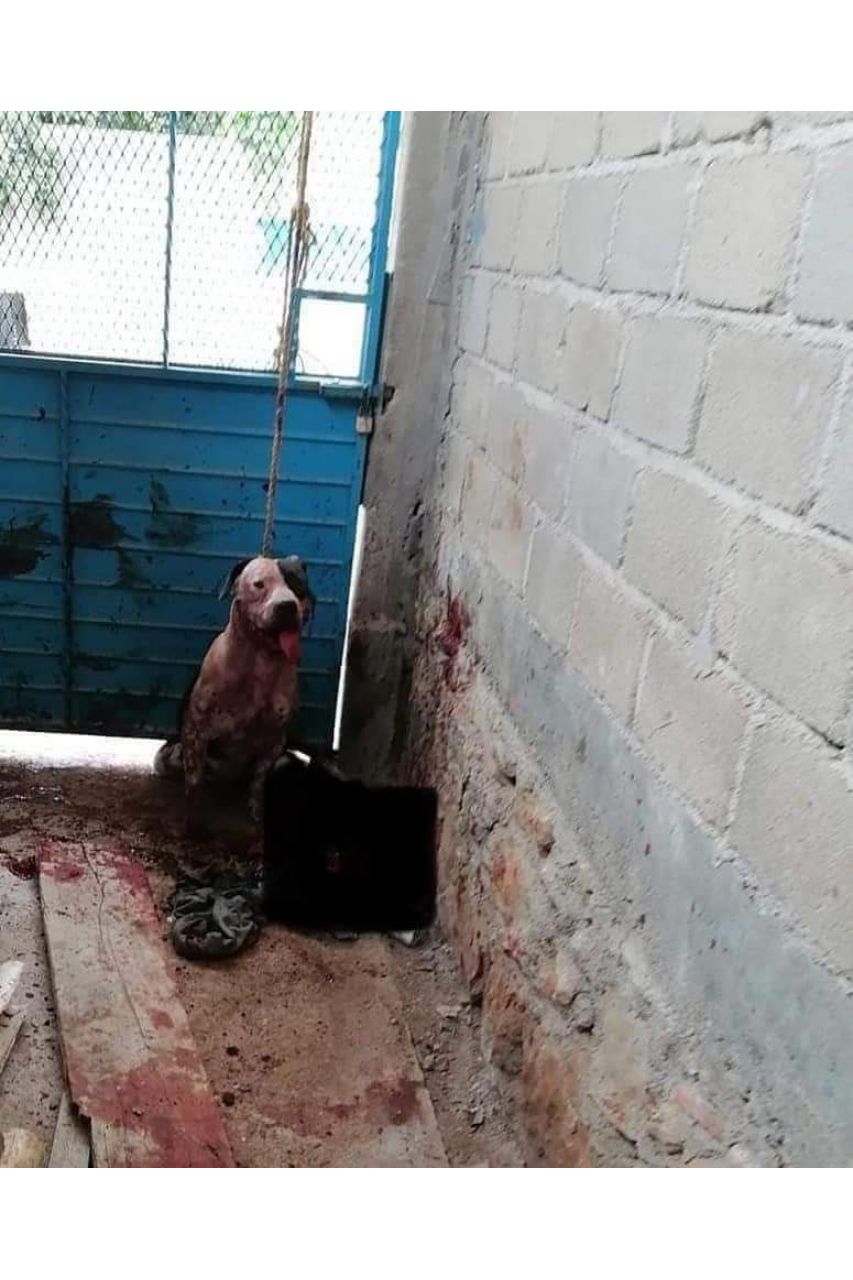
The Ripple Effects Of Max The Pitbull Incident: Community, Responsibility, And Understanding
The "Max the Pitbull incident" has become a significant point of discussion in recent times, stirring emotions and debates across communities. This incident, which involved a pitbull named Max, highlighted the complexities and challenges faced by pet owners and communities in handling dog-related issues. It served as a wake-up call, emphasizing the need for responsible pet ownership and the importance of understanding dog behavior. The incident not only sparked conversations but also brought to light the diverse perspectives and opinions surrounding dog ownership and community safety.
Max, a pitbull with a loyal and loving nature, found himself at the center of controversy when an unfortunate event unfolded, leading to widespread media coverage and public scrutiny. The incident raised questions about the role of pet owners, the responsibilities they bear, and the societal perceptions of certain dog breeds, particularly pitbulls. As the story gained traction, it drew attention to the broader issues of animal behavior, training, and the measures communities can take to ensure the safety and well-being of both humans and animals.
The Max the Pitbull incident serves as a reminder of the intricate relationship between humans and animals, particularly in urban settings where interactions are frequent and varied. It underscores the importance of education, awareness, and proactive measures in fostering harmonious coexistence. This article delves into the various aspects of the incident, exploring the background, the incident itself, the aftermath, and the lessons learned. By examining these components, we aim to provide a comprehensive understanding of the Max the Pitbull incident and its implications for pet owners, communities, and policymakers.
Table of Contents
- Biography of Max the Pitbull
- The Incident Unfolded
- Community Response
- Media Involvement
- Legal Considerations
- Impact on Pet Ownership
- Understanding Pitbulls
- Responsible Pet Ownership
- Community Safety Measures
- The Role of Animal Control
- Training and Socialization
- Lessons Learned
- Frequently Asked Questions
- Conclusion
Biography of Max the Pitbull
Max, the pitbull at the center of the incident, was a beloved family pet known for his affectionate nature and boundless energy. Born in a small town, Max was adopted by a loving family who recognized his potential as a loyal companion. Despite the stereotypes often associated with his breed, Max exhibited traits that endeared him to those who knew him well.
Max's early life was marked by a nurturing environment where he received ample love and care. His family invested time and effort in training him, ensuring he was well-behaved and socialized. Max's playful demeanor and gentle disposition often surprised those who met him, challenging the preconceived notions about pitbulls.
As Max grew, he became an integral part of his family's daily life, accompanying them on outings and participating in community events. His presence was a source of joy and comfort, not only for his owners but also for neighbors and friends who appreciated his friendly nature.
Personal Details of Max
| Detail | Information |
|---|---|
| Name | Max |
| Breed | Pitbull |
| Age | 5 years |
| Owner | The Johnson Family |
| Known For | Loyalty and Playfulness |
The Incident Unfolded
The Max the Pitbull incident occurred on a seemingly ordinary day, taking an unexpected turn that would soon capture the attention of the media and the public. It began during a routine walk in the neighborhood, where Max, accompanied by his owner, encountered a series of events that triggered the unfortunate incident.
According to eyewitnesses, Max was startled by a loud noise, prompting a reaction that led to the incident. The details of what transpired remain a topic of debate, with varying accounts and interpretations. Some claim Max acted out of fear, while others suggest a misjudgment of his intentions.
The immediate aftermath saw a flurry of activity, with concerned citizens stepping in to de-escalate the situation. The incident quickly gained traction on social media, as videos and photos circulated, igniting discussions about dog behavior, breed stereotypes, and the responsibilities of pet owners.
Community Response
The community's response to the Max the Pitbull incident was a mix of empathy, concern, and calls for accountability. Many rallied in support of Max and his family, emphasizing the need for understanding and compassion in such situations. Others, however, expressed concerns about safety and the potential risks associated with certain dog breeds.
Local authorities were swift in addressing the situation, organizing meetings and forums to discuss the incident and gather feedback from residents. These gatherings highlighted the divide in opinions and the challenges in balancing safety with empathy for pet owners and their animals.
The community's reaction also led to increased interest in educational programs on dog behavior, aimed at dispelling myths and fostering a better understanding of different breeds. These initiatives were welcomed by many as a positive step towards preventing future incidents and promoting responsible pet ownership.
Media Involvement
The role of media in the Max the Pitbull incident was significant, with extensive coverage across various platforms. News outlets and social media channels reported on the incident, often highlighting the breed of the dog and the circumstances surrounding the event.
The portrayal of pitbulls in the media has long been a contentious issue, with many arguing that sensationalized reporting contributes to negative stereotypes. In Max's case, the media's focus on his breed raised questions about journalistic responsibility and the potential impact on public perception.
Despite the challenges, some media organizations took a balanced approach, showcasing stories of pitbulls as loving and loyal companions, countering the narrative of aggression and danger. This shift in reporting helped to provide a more nuanced view of the breed and its characteristics.
Legal Considerations
The legal implications of the Max the Pitbull incident were complex, involving considerations of liability, animal control regulations, and potential repercussions for Max and his family. The incident prompted discussions on the adequacy of existing laws and the need for reform to address similar situations more effectively.
Legal experts weighed in on the responsibilities of pet owners, emphasizing the importance of adhering to leash laws, ensuring proper training, and understanding the behavioral tendencies of their pets. The incident also highlighted the role of animal control authorities in enforcing regulations and ensuring community safety.
The legal proceedings that followed were closely monitored by the public, with many advocating for fair treatment of Max and recognition of the circumstances that led to the incident. This case served as a catalyst for broader discussions on animal welfare laws and the protection of both humans and animals.
Impact on Pet Ownership
The Max the Pitbull incident had a profound impact on pet ownership, influencing the attitudes and behaviors of current and potential pet owners. It underscored the significance of responsible pet ownership, highlighting the need for thorough understanding and preparation before adopting a pet, particularly breeds with specific reputations.
Many pet owners reevaluated their approach to training and socialization, recognizing the importance of investing time and resources in ensuring their pets are well-adjusted and equipped to handle various situations. The incident also prompted discussions on the role of breeders and adoption agencies in educating potential owners about the responsibilities involved.
For prospective pet owners, the incident served as a cautionary tale, encouraging them to conduct thorough research and seek guidance from professionals to make informed decisions. The emphasis on responsible pet ownership became a central theme in the aftermath of the incident, driving positive changes in community attitudes and practices.
Understanding Pitbulls
Pitbulls, like Max, are often misunderstood due to stereotypes and misconceptions surrounding their behavior and temperament. The Max the Pitbull incident provided an opportunity to delve deeper into the characteristics of the breed and challenge the myths that contribute to their negative reputation.
Pitbulls are known for their loyalty, intelligence, and playful nature, traits that make them excellent companions for those who understand their needs and capabilities. However, their history as working dogs and their strength can sometimes lead to misinterpretations of their actions, particularly in situations where fear or excitement is involved.
Educating the public about pitbulls and promoting positive narratives can help shift perceptions and reduce the stigma associated with the breed. By highlighting stories of pitbulls as loving family pets, communities can foster a more balanced understanding of their nature and potential as companions.
Responsible Pet Ownership
Responsible pet ownership is a crucial aspect of preventing incidents like the one involving Max. It involves a commitment to providing for the physical, emotional, and behavioral needs of pets, ensuring their well-being and safety.
Pet owners must prioritize training and socialization, equipping their pets with the skills to navigate various environments and interactions. This includes understanding the specific needs and tendencies of their breed, as well as seeking professional guidance when necessary.
Moreover, responsible pet ownership extends to being mindful of community safety and adhering to local regulations, such as leash laws and vaccination requirements. By fostering a culture of accountability and care, pet owners can contribute to harmonious coexistence within their communities.
Community Safety Measures
In the wake of the Max the Pitbull incident, communities have recognized the importance of implementing safety measures to prevent similar occurrences and ensure the well-being of residents and animals alike. These measures encompass a range of strategies, from education to infrastructure improvements.
Public awareness campaigns focused on dog behavior and safety can play a pivotal role in fostering understanding and reducing fear. These initiatives can provide valuable information on how to interact with dogs safely and recognize signs of distress or aggression.
Infrastructure improvements, such as designated dog parks and secure fencing, can also contribute to community safety by providing controlled environments for pets to exercise and socialize. These spaces encourage responsible behavior and facilitate positive interactions between pets and their owners.
The Role of Animal Control
Animal control authorities play a critical role in managing incidents like the one involving Max, ensuring the safety and welfare of both humans and animals. Their responsibilities include enforcing regulations, responding to reports of aggressive behavior, and providing resources for pet owners.
In the aftermath of the Max the Pitbull incident, animal control authorities collaborated with community leaders to address concerns and implement measures to prevent future incidents. This involved educating the public on responsible pet ownership and providing support for training and socialization initiatives.
By fostering partnerships with local organizations and stakeholders, animal control authorities can enhance their effectiveness and contribute to a safer and more harmonious community environment.
Training and Socialization
Training and socialization are fundamental components of responsible pet ownership, essential for ensuring pets are well-adjusted and capable of interacting positively with humans and other animals. In the context of the Max the Pitbull incident, these aspects gained increased attention as key factors in preventing similar situations.
Effective training involves teaching pets basic commands, reinforcing good behavior, and addressing any behavioral issues that may arise. Professional trainers can provide valuable guidance, helping owners understand their pets' needs and develop effective strategies for behavior management.
Socialization, on the other hand, focuses on exposing pets to a variety of environments, people, and animals, helping them build confidence and adaptability. This process is crucial for reducing anxiety and fear, which can lead to reactive or aggressive behavior in unfamiliar situations.
Lessons Learned
The Max the Pitbull incident serves as a powerful reminder of the importance of responsible pet ownership, community safety, and understanding dog behavior. It highlighted the need for education, empathy, and proactive measures to prevent similar occurrences and foster harmonious coexistence.
One of the key lessons learned is the significance of challenging stereotypes and misconceptions about certain dog breeds. By promoting positive narratives and encouraging responsible ownership, communities can create a more inclusive and understanding environment for both pets and their owners.
Ultimately, the incident underscores the interconnectedness of individuals, pets, and communities, emphasizing the need for collaboration and communication in addressing challenges and finding solutions.
Frequently Asked Questions
1. What exactly happened in the Max the Pitbull incident?
The Max the Pitbull incident involved an unexpected series of events where Max, a pitbull, reacted to a loud noise during a walk, leading to a situation that gained widespread attention and sparked discussions on responsible pet ownership and safety.
2. How did the community react to the incident?
The community's response was mixed, with some expressing support and empathy for Max and his family, while others raised concerns about safety. The incident prompted local authorities to organize forums for discussion and feedback.
3. What role did the media play in the incident?
The media played a significant role in covering the Max the Pitbull incident, with extensive reports highlighting the breed and circumstances. Some media outlets focused on stereotypes, while others provided balanced narratives to counter negative perceptions.
4. What legal considerations arose from the incident?
The incident prompted discussions on pet owner liability, animal control regulations, and the adequacy of existing laws. Legal experts emphasized the importance of adhering to regulations and ensuring proper training for pets.
5. How can communities prevent similar incidents in the future?
Communities can implement safety measures such as public awareness campaigns, infrastructure improvements, and collaboration with animal control authorities to promote responsible pet ownership and prevent similar incidents.
6. What lessons can be learned from the Max the Pitbull incident?
The incident highlights the importance of responsible pet ownership, challenging stereotypes, and fostering understanding between pets and communities. It emphasizes the need for education, empathy, and proactive measures to ensure safety and harmony.
Conclusion
The Max the Pitbull incident has left an indelible mark on the community and beyond, serving as a catalyst for important conversations about pet ownership, safety, and understanding. It underscores the need for responsible practices, education, and empathy in fostering harmonious relationships between humans and animals.
As we reflect on the incident, it is essential to recognize the opportunities for growth and change it presents. By promoting positive narratives, challenging stereotypes, and prioritizing responsibility, we can create a more inclusive and understanding environment for all.
The lessons learned from the Max the Pitbull incident continue to resonate, reminding us of the power of collaboration and communication in addressing challenges and finding solutions for a better, safer future for both pets and their communities.
Learn more about the American Pit Bull Terrierand how to properly train and care for them.