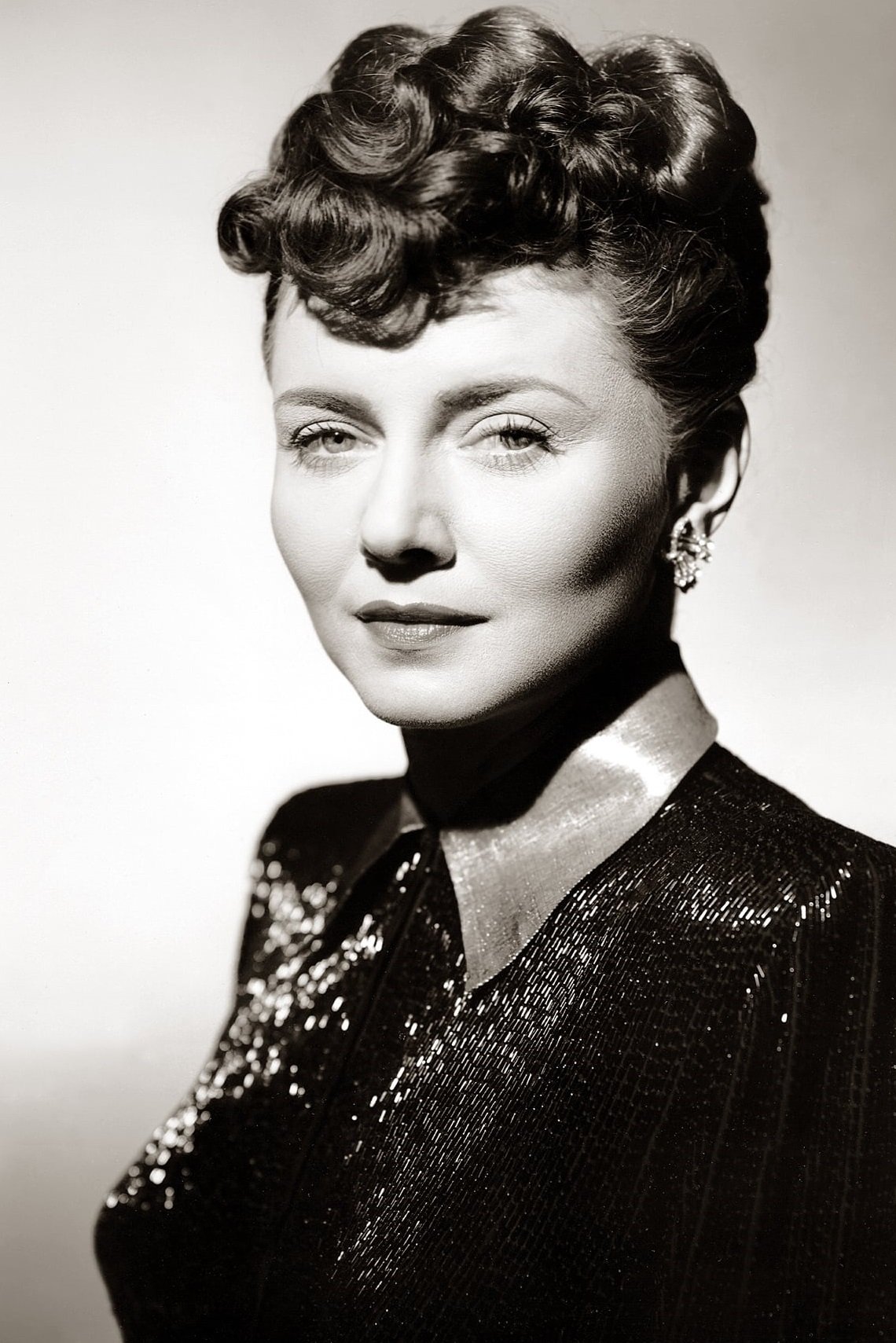
Lenore Aubert: A Timeless Beauty And Talent In Hollywood
Lenore Aubert, a name that may not resonate with everyone today, was once a celebrated actress in the golden age of Hollywood. Known for her exotic beauty and captivating performances, Aubert made her mark in the film industry during the 1940s and 1950s. Her journey was one of resilience, talent, and an undeniable charm that left an indelible impression on audiences and critics alike. Despite the challenges she faced in a competitive industry, Lenore Aubert's legacy continues to inspire and intrigue movie enthusiasts and historians.
Born Eleonore Maria Leisner in what is now Slovenia, Lenore Aubert's early life was a tapestry of rich cultural influences. Her European heritage provided her with a unique presence that set her apart from her contemporaries. As she transitioned to Hollywood, her distinct persona and acting prowess allowed her to thrive in a variety of roles, from dramatic parts to comedic performances. Aubert's career, though spanning only a few decades, was marked by significant achievements and collaborations with some of the most prominent figures of her time.
Today, Lenore Aubert is remembered not only for her contributions to cinema but also for her ability to navigate the complexities of fame and identity in an ever-evolving entertainment landscape. Her story is one of perseverance and adaptability—a testament to her enduring appeal and the timeless nature of her work. As we delve into the life and legacy of Lenore Aubert, we uncover a narrative that is as compelling as the characters she portrayed on screen.
- Who Is Keri Russell Parents
- Brandonklenar Wife Alejandra Fontanot
- Who Was Rory Feeks First Wife
- Is Patrick Wayne John Wayneson
Table of Contents
- Biography of Lenore Aubert
- Early Life and Background
- Career Beginnings
- Hollywood Breakthrough
- Notable Roles and Performances
- Personal Life and Relationships
- Challenges and Triumphs
- Legacy and Influence
- Public Perception and Critique
- Comparisons with Contemporaries
- Cultural Impact and Recognition
- Media Appearances and Interviews
- Retirement and Later Years
- Frequently Asked Questions
- Conclusion
Biography of Lenore Aubert
Lenore Aubert was born on April 18, 1913, in Trieste, then part of the Austro-Hungarian Empire. Her birth name was Eleonore Maria Leisner. She was the daughter of Austrian parents, and her upbringing was steeped in the vibrant cultural milieu of early 20th-century Europe. Her family moved to Vienna, where she spent much of her childhood immersed in the arts.
Lenore's early exposure to the performing arts in Vienna laid the foundation for her future career. Her natural affinity for acting was evident from a young age, and she pursued her passion with dedication. Her journey from Europe to Hollywood was marked by both personal and professional transformations, reflecting her adaptability and determination to succeed in the competitive world of cinema.
| Full Name | Eleonore Maria Leisner |
|---|---|
| Stage Name | Lenore Aubert |
| Birthdate | April 18, 1913 |
| Birthplace | Trieste, Austro-Hungarian Empire |
| Nationality | Austrian-American |
| Active Years | 1940s-1950s |
| Known For | Acting, Beauty |
Early Life and Background
Lenore Aubert's early years were shaped by the cultural and political changes sweeping across Europe. Born into a family with a rich heritage, she was exposed to a variety of artistic influences that would later inform her career choices. Her family's relocation to Vienna provided her with the opportunity to engage with the thriving theater and film scene of the city.
During her youth, Aubert developed a keen interest in acting and performing arts. She participated in local theater productions and honed her skills under the guidance of seasoned performers. Her education in Vienna was comprehensive, encompassing both academic pursuits and artistic endeavors, which prepared her for the challenges she would face in the entertainment industry.
Career Beginnings
Lenore Aubert's journey to Hollywood was not a straightforward one. Her initial foray into the world of acting began in Europe, where she gained experience in theater. Her performances caught the attention of filmmakers, and she soon found herself cast in a number of European films. These early roles showcased her versatility and set the stage for her eventual move to Hollywood.
In the late 1930s, Aubert's career took a significant turn when she decided to emigrate to the United States. The move was motivated by the growing tensions in Europe and her desire to explore new opportunities in the burgeoning American film industry. Upon arriving in Hollywood, she adopted the stage name Lenore Aubert, a decision that reflected her intention to reinvent herself in a new cultural context.
Hollywood Breakthrough
Lenore Aubert's Hollywood breakthrough came after a series of smaller roles that allowed her to establish herself in the industry. Her exotic looks and distinctive accent made her a sought-after actress for roles that required a touch of European flair. Her big break came when she was cast in the 1946 film "The Catman of Paris," a role that highlighted her ability to deliver both dramatic and mysterious performances.
The success of "The Catman of Paris" opened doors for Aubert, leading to more prominent roles in films such as "Abbott and Costello Meet Frankenstein" (1948), where she played the role of Dr. Sandra Mornay. This film, a unique blend of comedy and horror, showcased her range as an actress and solidified her status as a Hollywood star.
Notable Roles and Performances
Throughout her career, Lenore Aubert took on a variety of roles that demonstrated her versatility as an actress. Her performances were often characterized by a blend of sophistication and allure, qualities that made her a memorable presence on screen. In addition to her work in "The Catman of Paris" and "Abbott and Costello Meet Frankenstein," Aubert appeared in films such as "The Return of the Whistler" (1948) and "Abbott and Costello Meet the Killer, Boris Karloff" (1949).
Each of these roles allowed Aubert to explore different aspects of her acting abilities, from the comedic timing required for her collaborations with Abbott and Costello to the more suspenseful and dramatic elements present in her other films. Her ability to adapt to various genres and styles was a testament to her skill and dedication to her craft.
Personal Life and Relationships
Lenore Aubert's personal life was as intriguing as her professional career. Her European background and Hollywood fame attracted attention, and her relationships were often the subject of public interest. Aubert was married twice; her first marriage was to Julius Altman, a relationship that ended in divorce. Her second marriage was to Milton Greene, a photographer and film producer known for his work with Marilyn Monroe.
Aubert's personal life, while sometimes tumultuous, was marked by a sense of independence and resilience. She navigated the complexities of fame and relationships with grace, maintaining her dignity in the face of public scrutiny.
Challenges and Triumphs
Like many actresses of her era, Lenore Aubert faced numerous challenges in her career. The competitive nature of the film industry and the pressures of maintaining a public persona were constant hurdles. Despite these challenges, Aubert's talent and determination allowed her to carve out a successful career in Hollywood.
Her ability to overcome adversity and continue to deliver compelling performances was a testament to her perseverance and dedication to her craft. Aubert's triumphs were not only measured by her professional achievements but also by her ability to remain true to herself in an industry that often demanded conformity.
Legacy and Influence
Lenore Aubert's legacy extends beyond her filmography. Her contributions to cinema and her ability to navigate the complexities of fame have left a lasting impact on the industry. Her performances continue to be celebrated by film enthusiasts, and her story serves as an inspiration for aspiring actors and actresses.
Aubert's influence can be seen in the way she paved the way for other European actresses to break into Hollywood. Her success demonstrated that talent and determination could overcome cultural and linguistic barriers, inspiring a new generation of performers to pursue their dreams.
Public Perception and Critique
During her career, Lenore Aubert was both admired and critiqued by audiences and critics alike. Her exotic looks and distinctive accent set her apart, and while these qualities helped her land roles, they also led to typecasting. Despite this, Aubert's talent was widely recognized, and her performances were often praised for their depth and nuance.
The public's perception of Aubert evolved over time, and she remains a subject of interest for film historians and enthusiasts. Her ability to transcend the limitations of her era and deliver memorable performances has cemented her place in the annals of Hollywood history.
Comparisons with Contemporaries
Lenore Aubert was often compared to her contemporaries, many of whom shared similar backgrounds and experiences. Actresses like Marlene Dietrich and Hedy Lamarr also made the transition from Europe to Hollywood, and like Aubert, they brought a unique charm and sophistication to their roles.
While comparisons are inevitable, Aubert's distinctive style and approach to acting set her apart from her peers. Her ability to balance humor and drama in her performances and her willingness to take on diverse roles contributed to her enduring appeal and distinct legacy.
Cultural Impact and Recognition
Lenore Aubert's cultural impact is evident in the way she challenged traditional notions of beauty and femininity in Hollywood. Her European heritage and distinctive features contributed to a broader representation of women in film, and her success paved the way for other actresses of diverse backgrounds.
Aubert's recognition extends beyond her acting career. Her contributions to cinema have been celebrated in retrospectives and film festivals, and her story continues to resonate with audiences around the world. As an icon of Hollywood's golden age, Aubert's cultural impact is a testament to her enduring legacy.
Media Appearances and Interviews
Throughout her career, Lenore Aubert made numerous media appearances, granting interviews and participating in promotional activities for her films. These appearances provided audiences with a glimpse into her personality and allowed her to connect with fans on a personal level.
Aubert's interviews often highlighted her passion for acting and her dedication to her craft. Her willingness to engage with the media and share her experiences contributed to her popularity and helped to solidify her status as a beloved figure in Hollywood.
Retirement and Later Years
Lenore Aubert's career gradually wound down in the 1950s, as she chose to step away from the spotlight and focus on her personal life. Her retirement from acting allowed her to pursue other interests and enjoy a more private existence.
In her later years, Aubert remained connected to the film industry, occasionally attending events and engaging with fans. Her contributions to cinema continued to be celebrated, and her legacy as a talented and trailblazing actress endured long after her retirement.
Frequently Asked Questions
Q1: What is Lenore Aubert known for?
A1: Lenore Aubert is known for her acting career in Hollywood during the 1940s and 1950s, particularly for her roles in films like "Abbott and Costello Meet Frankenstein."
Q2: Where was Lenore Aubert born?
A2: Lenore Aubert was born in Trieste, which was part of the Austro-Hungarian Empire at the time of her birth.
Q3: What was Lenore Aubert's birth name?
A3: Her birth name was Eleonore Maria Leisner.
Q4: Which film marked Lenore Aubert's Hollywood breakthrough?
A4: Her Hollywood breakthrough came with the film "The Catman of Paris" in 1946.
Q5: Was Lenore Aubert married?
A5: Yes, Lenore Aubert was married twice, first to Julius Altman and then to Milton Greene.
Q6: What legacy did Lenore Aubert leave behind?
A6: Lenore Aubert left behind a legacy of diverse and memorable performances in Hollywood, paving the way for future generations of actresses with European backgrounds.
Conclusion
Lenore Aubert's journey from Europe to Hollywood is a story of talent, resilience, and timeless beauty. Her contributions to cinema during the golden age of Hollywood have left an indelible mark on the industry, and her legacy continues to inspire and captivate audiences worldwide. As we reflect on her life and career, we celebrate Lenore Aubert not only for her achievements on screen but also for her enduring influence and the inspiration she provides to aspiring artists. Her story is a testament to the power of perseverance and the lasting impact of a true Hollywood icon.