Unlocking The Mysteries: Emoji Meanings 2024
In the digital age, emojis have become an integral part of our everyday communication, transcending language barriers and adding a colorful, expressive dimension to our messages. As we approach 2024, the world of emojis is as dynamic and fascinating as ever, with new symbols and meanings constantly emerging. Understanding emoji meanings in 2024 is crucial for effective communication, whether you're chatting with friends or engaging in professional correspondence. This comprehensive guide will provide you with the insights needed to navigate the evolving landscape of emojis with confidence.
Emojis have evolved significantly since their inception, now serving as a universal language that communicates emotions, ideas, and concepts at a glance. With over 3,000 emojis currently available, their meanings can vary widely based on cultural contexts, platform usage, and individual interpretation. As we look forward to 2024, it's important to recognize how these tiny icons can influence our digital interactions and reflect societal changes. This article will explore the latest trends and updates in emoji meanings, offering a detailed analysis of their significance in contemporary communication.
As technology continues to advance, so do the ways in which we express ourselves digitally. Emojis are more than just fun symbols; they are a powerful tool for enhancing our communication, bridging gaps, and conveying complex emotions succinctly. By delving into emoji meanings 2024, we can better understand the nuances of this visual language and how it impacts our daily interactions. Join us on this journey as we decode the latest emoji trends, explore their cultural implications, and uncover the stories behind these expressive icons.
Table of Contents
- History of Emojis
- Evolution of Emoji Meanings
- Cultural Impacts of Emojis
- Emoji Meanings 2024
- New and Upcoming Emojis
- Platform Differences in Emoji Interpretation
- Psychological Effects of Emojis
- Business and Professional Use of Emojis
- Legal Aspects of Emojis
- Emoji Usage Tips
- Future Predictions for Emojis
- Frequently Asked Questions
- Conclusion
History of Emojis
The history of emojis dates back to the late 1990s when they were first created by Japanese artist Shigetaka Kurita. Initially designed for a Japanese mobile platform, these small digital icons quickly gained popularity due to their ability to convey emotions and ideas in a simple, visual format. Kurita's original set included 176 emojis, which have since evolved into a vast array of symbols that we use today.
Emojis were introduced to the global stage in 2010 when they were incorporated into the Unicode Standard, allowing them to be used across different devices and platforms. This standardization was a significant milestone in the history of emojis, as it enabled their widespread adoption and integration into digital communication worldwide.
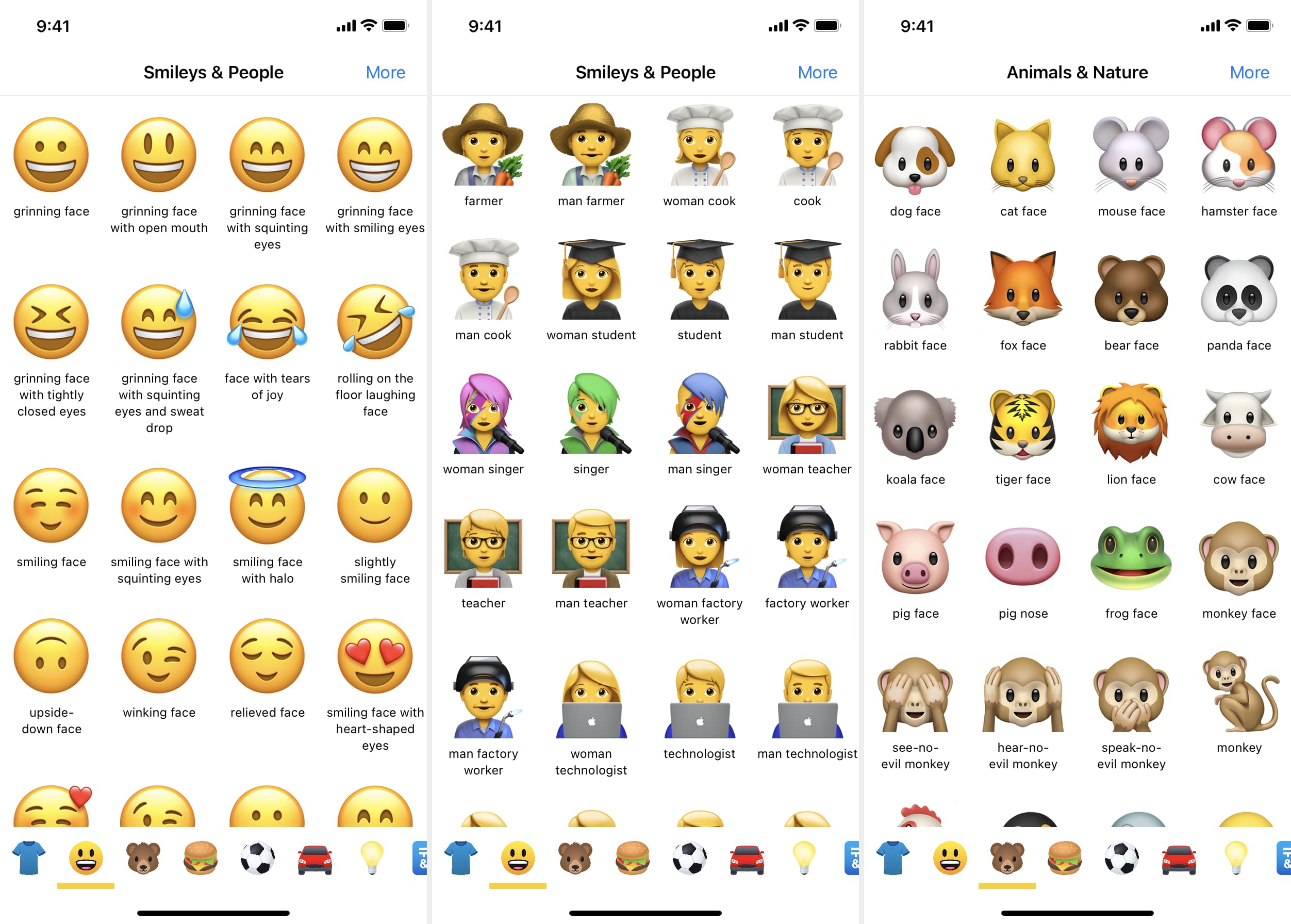
Over the years, the emoji lexicon has expanded to include a diverse range of symbols, reflecting societal changes and technological advancements. From the classic smiley face to more complex symbols like the face with medical mask or the rainbow flag, emojis have become a universal language that transcends linguistic and cultural barriers.
Evolution of Emoji Meanings
As emojis have become more prevalent in digital communication, their meanings have evolved and become more nuanced. Initially, emojis were used primarily to express emotions, but their usage has expanded to convey a wide range of ideas, concepts, and cultural references.
The meanings of emojis can vary significantly depending on the context in which they are used. For example, the "thumbs up" emoji can signify approval or agreement in one context but may take on a sarcastic or dismissive tone in another. Similarly, the "eggplant" emoji, which was originally intended to represent the vegetable, has taken on a more suggestive meaning in certain contexts.
The evolution of emoji meanings is also influenced by cultural and regional differences. Emojis can take on different meanings based on cultural norms and societal trends, leading to variations in how they are interpreted and used across different communities.
Cultural Impacts of Emojis
Emojis have had a profound impact on digital culture, shaping the way we communicate and express ourselves online. They have become an essential part of social media interactions, text messaging, and online conversations, offering a shorthand for expressing emotions and ideas succinctly.
The cultural impact of emojis extends beyond individual communication, influencing trends in marketing, advertising, and branding. Companies and organizations often use emojis in their campaigns to connect with audiences and convey messages in a relatable, engaging manner. This has led to the emergence of emoji-based marketing strategies, where brands leverage the popularity of emojis to enhance their digital presence and engage with consumers.
Emojis have also played a role in fostering inclusivity and representation in digital communication. The introduction of diverse emoji sets, including skin tone variations and symbols representing different cultures and identities, has been a significant step towards creating a more inclusive digital landscape.
Emoji Meanings 2024
As we enter 2024, the meanings of emojis continue to evolve, reflecting changes in technology, culture, and communication practices. Understanding emoji meanings in 2024 is essential for navigating the digital landscape effectively and ensuring that your messages are interpreted as intended.
One of the key trends in emoji meanings 2024 is the increasing use of emojis to convey complex emotions and ideas. Emojis such as the "face with spiral eyes" or the "face with medical mask" have taken on new significance in the context of global events and societal changes.
In addition to conveying emotions, emojis are also being used to express support for social and political movements. The "raised fist" emoji, for example, has become a symbol of solidarity and resistance in various movements around the world. Similarly, the "rainbow flag" emoji continues to be a powerful symbol of LGBTQ+ pride and inclusion.
New and Upcoming Emojis
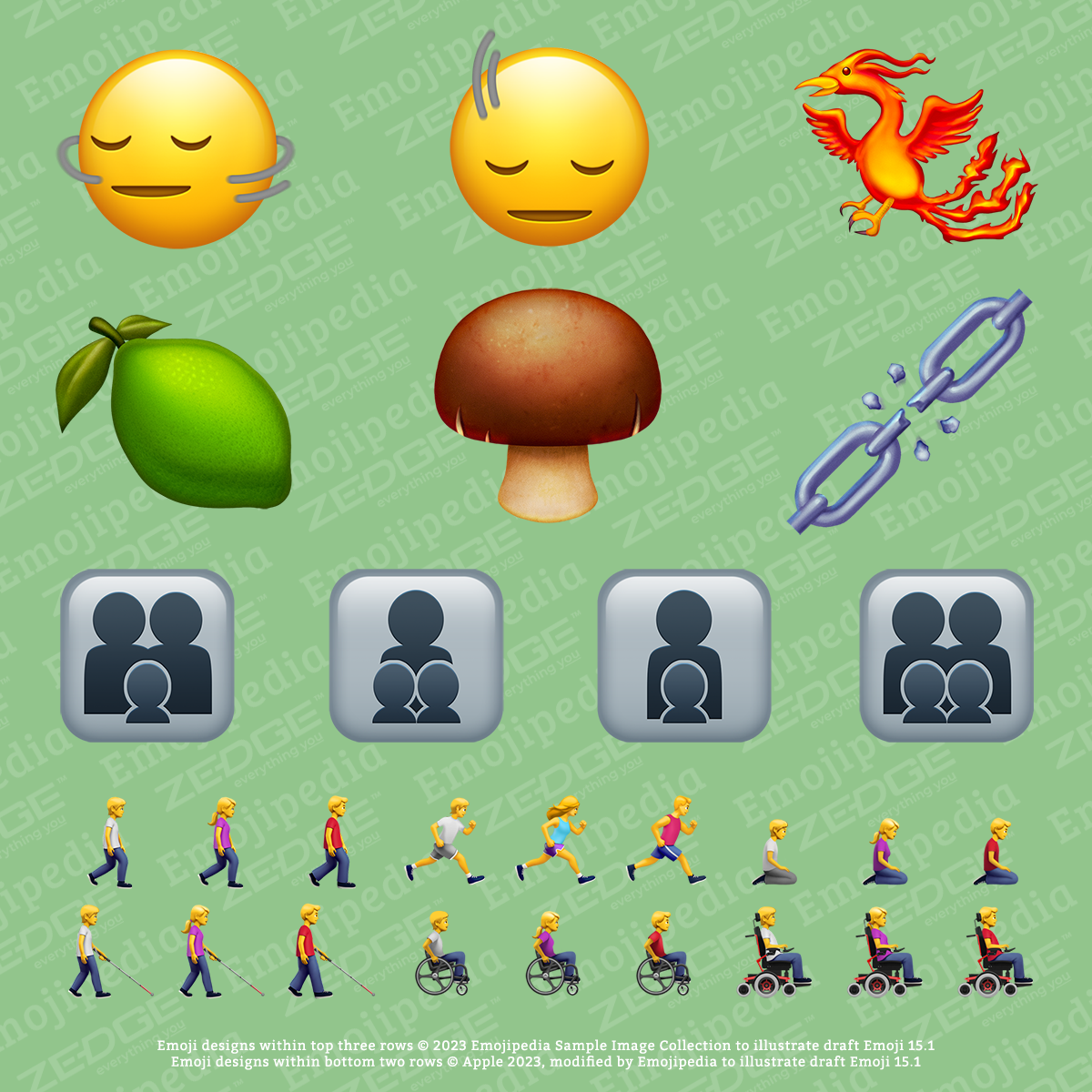
The world of emojis is constantly evolving, with new symbols being introduced regularly to reflect changing cultural and societal trends. In 2024, we can expect to see the release of new emojis that capture the zeitgeist and address the needs of an increasingly diverse global audience.
Some of the new emojis expected in 2024 include symbols representing various cultural practices, professions, and activities. These additions aim to enhance representation and inclusivity in digital communication, allowing users to express themselves more accurately and authentically.
Emojis related to environmental awareness and sustainability are also anticipated to gain prominence in 2024. Symbols such as the "recycling symbol" or the "green heart" are likely to be used more frequently as global conversations around climate change and environmental responsibility continue to grow.
Platform Differences in Emoji Interpretation
One of the challenges in understanding emoji meanings 2024 is the variation in how emojis are displayed and interpreted across different platforms and devices. Emojis can look different on iOS, Android, and other operating systems, leading to discrepancies in their appearance and meaning.
These platform differences can sometimes result in misunderstandings or misinterpretations, as the same emoji may convey different emotions or ideas depending on the platform it is used on. For example, the "grinning face" emoji may appear as a friendly smile on one platform but as a slightly menacing grin on another.
To navigate these differences, it's important to be aware of how emojis are rendered on different platforms and consider the potential for varied interpretations. Understanding these nuances can help ensure that your messages are received as intended and reduce the risk of miscommunication.
Psychological Effects of Emojis
Emojis have a significant impact on our psychological well-being and can influence the way we perceive and process information. The use of emojis in digital communication can enhance emotional expression and help convey tone and sentiment, reducing the ambiguity often associated with text-based messages.
Research has shown that emojis can have a positive effect on mood and emotional engagement, making communication more enjoyable and relatable. They can also facilitate social bonding and connection, as they provide a visual representation of emotions that can enhance empathy and understanding between individuals.
However, the use of emojis can also have negative effects if they are misinterpreted or used inappropriately. It's important to consider the context and cultural norms when using emojis to ensure that they are perceived as intended and do not inadvertently cause offense or confusion.
Business and Professional Use of Emojis
In the business world, emojis are increasingly being used to enhance communication and engagement with clients, customers, and colleagues. They can add a personal touch to professional interactions, making messages more relatable and engaging.
However, the use of emojis in a professional context requires careful consideration of the audience and the nature of the communication. While emojis can be effective in informal settings, they may not be appropriate in more formal or serious contexts.
Businesses can leverage emojis to humanize their brand and connect with consumers on a more personal level. When used strategically, emojis can enhance marketing and advertising efforts, making messages more memorable and impactful.
Legal Aspects of Emojis
The use of emojis in digital communication has also raised legal considerations, particularly when it comes to contractual agreements and legal documentation. Emojis can be interpreted as conveying intent or agreement, which can have legal implications in certain contexts.
For example, a thumbs-up emoji may be interpreted as acceptance or agreement in contractual communication, potentially leading to disputes if the parties involved have differing interpretations of its meaning.
To mitigate potential legal risks, it's important to be mindful of the use of emojis in legal and contractual contexts. Clear communication and mutual understanding of emoji meanings are essential to avoid misunderstandings and legal disputes.
Emoji Usage Tips
When using emojis in digital communication, there are a few key tips to keep in mind to ensure effective and appropriate usage:
- Consider the context: Ensure that the emojis you use are appropriate for the context and audience. Avoid using emojis in formal or serious communication where they may be perceived as unprofessional.
- Be mindful of cultural differences: Emojis can have different meanings in different cultural contexts. Be aware of these differences to avoid miscommunication or offense.
- Use emojis to enhance, not replace, text: Emojis should complement and enhance your message, not replace it entirely. Ensure that your text provides enough context for the emojis to be understood correctly.
- Stay updated on new emojis: Keep up with the latest emoji releases and trends to ensure that your communication remains relevant and effective.
Future Predictions for Emojis
Looking ahead, the future of emojis is likely to be shaped by technological advancements and cultural shifts. As virtual and augmented reality technologies continue to develop, we may see the emergence of more interactive and immersive emoji experiences.
The integration of emojis into new technologies, such as wearable devices and virtual assistants, is also expected to expand, providing new opportunities for creative expression and communication.
Emojis will continue to play a key role in digital communication, evolving to reflect changes in society and technology. As we move into 2024 and beyond, emojis will remain a powerful tool for enhancing our digital interactions and expressing our emotions and ideas in a dynamic and engaging way.
Frequently Asked Questions
1. What are some new emojis expected in 2024?
In 2024, new emojis are expected to include symbols representing various cultural practices, professions, and environmental awareness, enhancing representation and inclusivity in digital communication.
2. How do platform differences affect emoji interpretation?
Platform differences can lead to variations in emoji appearance, which may result in different interpretations. It's important to be aware of how emojis are rendered on different platforms to avoid miscommunication.
3. Can emojis have legal implications?
Yes, emojis can have legal implications, particularly in contractual communication. They may convey intent or agreement, so it's important to ensure clear communication and mutual understanding of their meanings.
4. How can I use emojis effectively in professional communication?
To use emojis effectively in professional communication, consider the context and audience, and use them to enhance rather than replace text. Ensure that they are appropriate for the setting and convey the intended message.
5. What role do emojis play in digital marketing?
Emojis play a significant role in digital marketing by humanizing brands, enhancing engagement, and making messages more relatable and memorable. They can be used strategically to connect with consumers and convey brand personality.
6. How do cultural differences impact emoji usage?
Cultural differences can impact emoji usage by influencing their meanings and interpretations. It's important to be aware of these differences to ensure that emojis are used appropriately and do not cause offense.
Conclusion
Emojis have become an essential part of our digital communication, offering a visual language that transcends linguistic and cultural barriers. As we look forward to 2024, understanding the meanings and implications of emojis is crucial for effective communication and engagement in a rapidly evolving digital landscape. By staying informed about the latest emoji trends and developments, we can enhance our interactions and express ourselves more authentically and creatively in the digital age.
For further reading on the evolution and impact of emojis, visit Unicode's Emoji Charts.